
Electric vs Pneumatic Automation: Rivals or Partners?
The pace of change in New Zealand’s manufacturing and industrial landscape has never been faster. For years, businesses faced a simple choice: opt for pneumatics for straightforward tasks, or go electric for precise, data-driven control. But as we move through 2026, those traditional boundaries are fading. Amid smart manufacturing, sustainability goals, and the push for efficiency, the big question now isn’t whether one technology is better, it’s how both can work together for a competitive edge.
Where Electric Automation Shines
Electric automation has become the beating heart of “smart” factories, and not just overseas, but right here in Aotearoa. Powered by rugged motors, advanced electric drives, and intelligent actuators, these systems slot effortlessly into digital control platforms. For many New Zealand businesses, the move towards electrics is about future-proofing: ensuring your operations keep up with Industry 4.0 and the demands of export markets.
Why choose electric?
- Precision and Control: Electric systems excel at repeatability, micro-adjustments, and soft starts. VFDs allow for unmatched control, which reduces wear and maximises equipment life. For industries like food & beverage production or pharmaceutical packaging, where consistency is king, electric holds a distinct edge.
- Smart Data & Predictive Maintenance: If you’re looking to enable real-time diagnostics or leverage AI-driven maintenance planning, electric automation delivers richer data, such as current, temperature, and position feedback at your fingertips.
- Sustainability: As more NZ manufacturers connect their sites to renewable energy, electric systems support “just in time” power use. Less waste, more efficiency.
- Energy Efficiency: The compressed air used to power pneumatic automation typically consumes more energy than electric automation components. By moving from pneumatic to electric automation, businesses can reduce their reliance on compressed air and lower overall energy consumption, helping to cut power costs.
Challenges?
- Higher Buying Cost: The up-front investment in electrics, especially for advanced servo and control tech, is higher than for many pneumatic setups.
- Complexity: More intelligence can also mean more integration, setup and training, so a knowledgeable partner is key.
Why Pneumatics Aren’t Going Anywhere
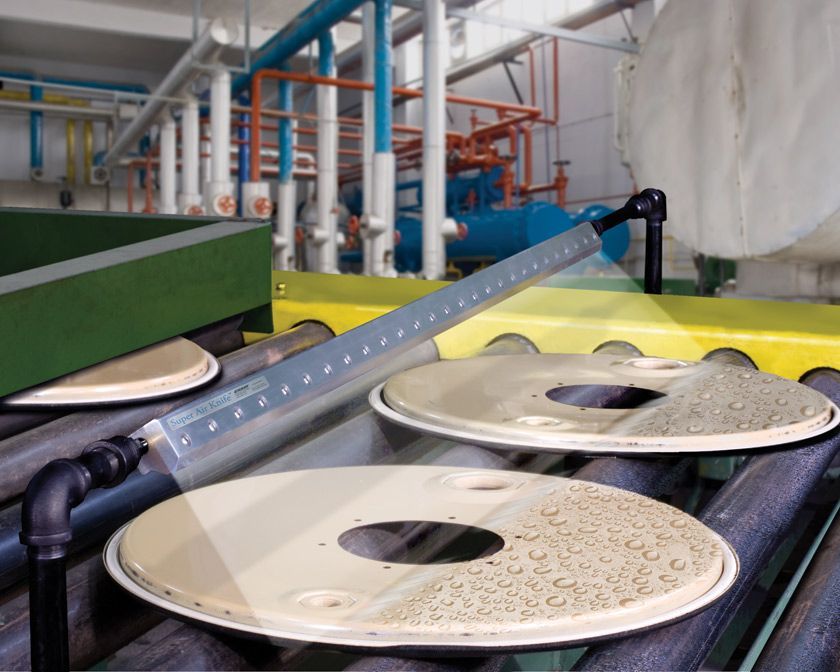
For all the buzz around electrics, pneumatics remain the backbone of Kiwi industry, and for good reason. Timber mills, packaging lines, and agriculture continue to rely on the speed, simplicity, and sheer reliability of compressed air.
Where do pneumatics lead?
- Simplicity & Speed: Pneumatic cylinders are easy to install, cost-effective, and brilliant for anything “point-to-point”. Think ejecting, clamping, or ‘bang-bang’ applications.
- Ruggedness: In tough environments (timber yards, processing plants, marine workshops), pneumatics stand up to dust, heat, and knockabout conditions. Plus, they aren’t fazed by long holding duties or the odd system jam.
- Safety: Pneumatics are spark-free, making them ideal for hazardous settings, such as chemical plants or grain handling.
Drawbacks?
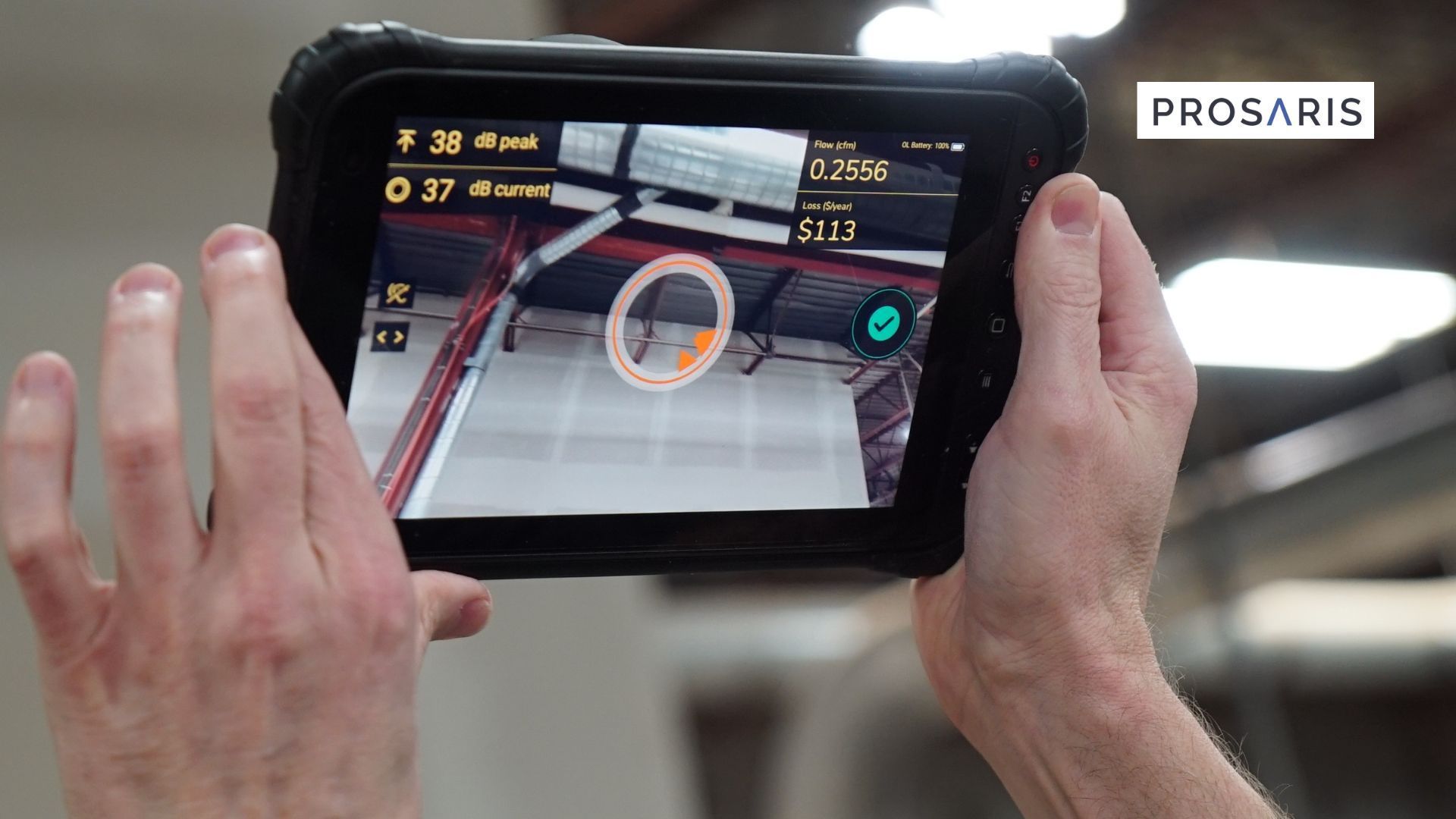
- Energy Loss: Compressed air leaks and inefficient compressors can drive up your energy spend, something manufacturing and agriculture businesses are increasingly working to address.
- Control Limitations: While tech has improved, precise mid-stroke positioning still tends to favour electric solutions.
The 2026 Mindset: Why the Best Businesses Are Integrating Both
Here’s where leading NZ firms get ahead: by harnessing both power sources. Integration is changing how we design and run modern plants:
- Hybrid Systems: Need a robust clamp but also want precision pick-and-place? Many manufacturers use pneumatics for heavy-duty work and electrics for fine positioning.
- Smart Pneumatics: The newest valves and sensors mean pneumatic systems can now plug into fieldbus or Ethernet, offering real-time leak detection and energy monitoring.
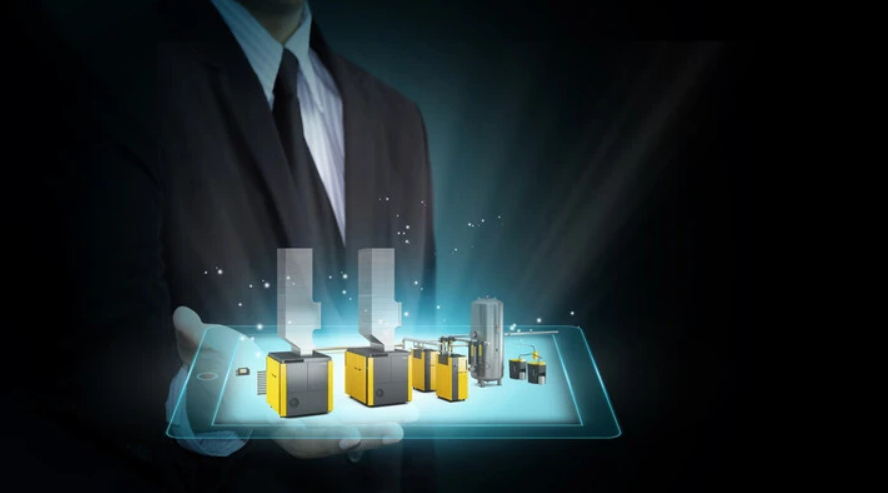
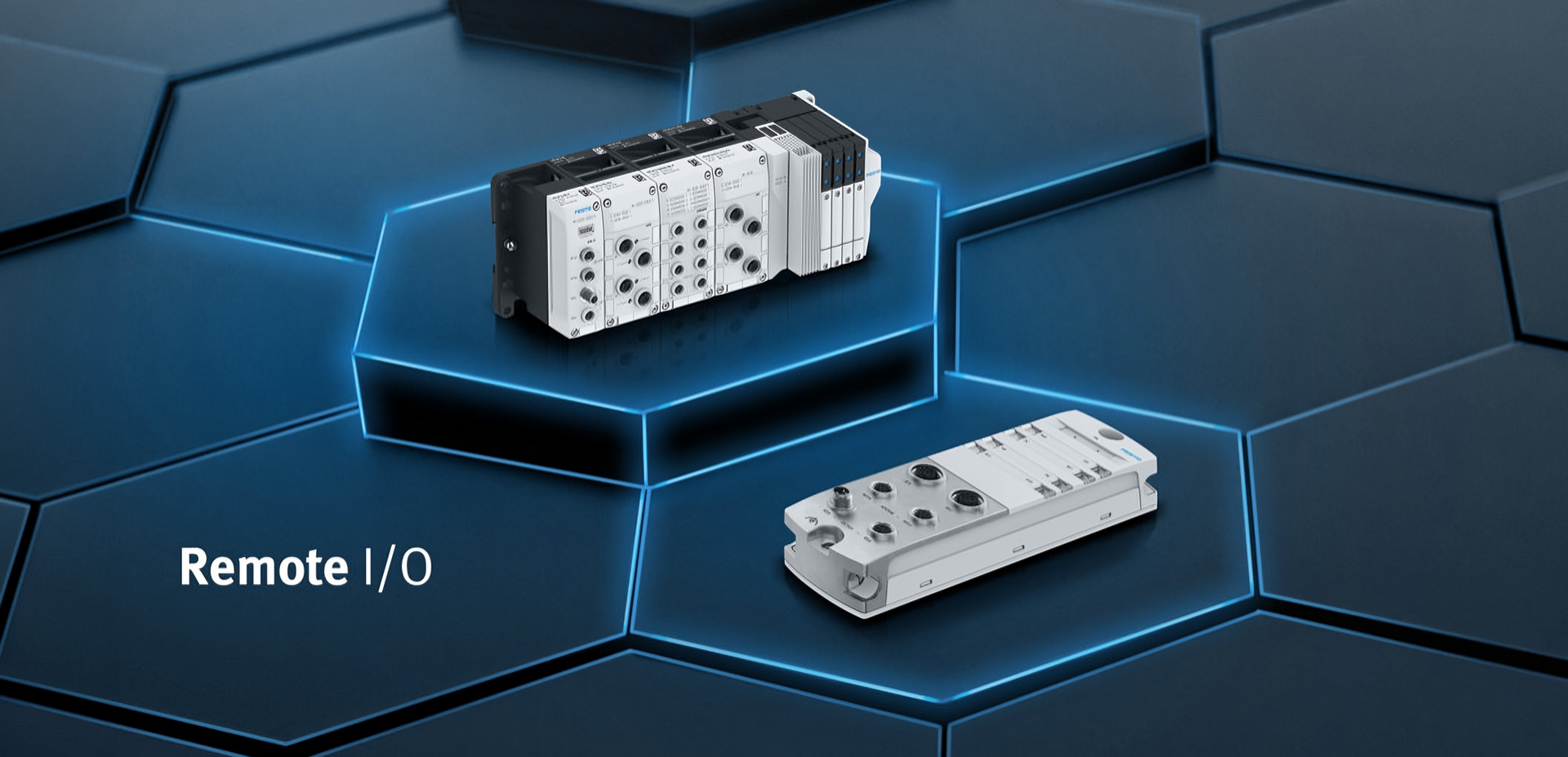
- Unified Platforms: The rise of modular automation lets you blend electric and pneumatic drives under one control interface, making upgrades and servicing easier than ever.
The Bottom Line
If your business needs high-speed, heavy-duty, or hazardous movement, pneumatics remain an unbeatable workhorse. But for complex, data-driven, and ultra-efficient process automation, especially in future-focused sectors like food, pharmaceuticals, and advanced manufacturing, electric automation opens up new capabilities.
Here in New Zealand, the smartest factories don’t settle for an “either/or” mindset. They use the right tool for every job, and increasingly, that means blending muscle (pneumatics) with brains (electrics). With digital twins and modular design, it’s now possible to simulate, integrate, and optimise both approaches before you build.
Ready to explore how hybrid automation can future-proof your operation? At PSL Total Air, we partner with Festo to deliver robust, intelligent solutions, perfectly adapted to your industry’s needs.
Last Updated: 1 April 2026