Why Engineered Air Knives Outperform Basic Blow-Off Setups

In many production environments, blow-off is a necessary part of the process. Whether you're drying cans before labelling, clearing debris from a conveyor, cooling parts, or cleaning surfaces, the way you generate airflow has a direct impact on energy use, noise, safety, and overall system performance.


Many sites use blowers or simple blow-off methods such as drilled pipe, open tubes, or modular nozzles because they are readily available, cheap, familiar, and can seem like a practical solution for the task at hand. In the right context, these setups may get the job done, but they do not always deliver the best outcome in terms of energy efficiency, noise levels, safety, or consistency.

If you are looking to improve reliability and optimise efficiency, upgrading to an engineered air knife can be a very worthwhile step.


The problem with makeshift blow-off setups

It is not uncommon to see simple blow-off arrangements installed on production lines. A length of pipe with drilled holes or a basic tube assembly may appear to be a low-cost solution, but in many cases these systems can use far more compressed air than expected.

1. High energy costs

Compressed air is a high-value utility. When it is used inefficiently, operating costs climb quickly. Many homemade solutions use energy very inefficiently and can end up costing more in the long run.

2. Excessive noise and safety concerns

Poorly designed blow-off devices are often loud, uncomfortable to work around, and can create unnecessary health and safety concerns for operators. In some cases, noise levels may exceed acceptable workplace limits, making hearing protection essential in areas where it otherwise may not be needed.

There can also be safety risks where compressed air is discharged through unsuitable or poorly designed equipment. This is especially important in production areas where staff work in close proximity to the blow-off point.

3. Inconsistent performance and poor durability

Basic pipework and low-cost plastic fittings are rarely designed for long-term compressed air use in industrial conditions. They can wear quickly, loosen, fail under pressure, or simply deliver poor airflow where it is needed most.

The result is reduced blow-off performance, more maintenance issues, and less reliable production.


Why air knives perform better

A compressed air knife provides a controlled, uniform sheet of high-velocity air. Instead of relying on scattered jets of air from drilled holes or improvised fittings, an air knife delivers a consistent curtain of airflow across the full width of the application.

This makes it a strong option for tasks such as:

  • Drying products or packaging
  • Removing dust, debris, or excess liquid
  • Cleaning parts before inspection or labelling
  • Cooling components during processing
  • Improving product presentation and finish

Because air knives are non-contact, they also help reduce the risk of scratching, marking, or contaminating the product.


The real value: lower operating costs

The biggest benefit of an engineered air knife is often the reduction in compressed air consumption.

They consistently outperform alternative solutions, including blowers, providing:

  • lower energy costs
  • reduced compressor load
  • quieter operation
  • improved blow-off performance
  • better production consistency
  • less wear and maintenance

In many cases, the savings are large enough that the upgrade pays for itself very quickly. Reducing compressed air demand also helps free up system capacity, which can improve overall plant reliability and reduce pressure on compressors during peak demand.


A smarter long-term investment

A makeshift blow-off setup may seem convenient in the short term, but the long-term cost is usually much higher than expected. If a system is noisy, inefficient, unreliable, and consuming more compressed air than necessary, it is worth reviewing whether a better solution is available.

An engineered air knife is not just a product upgrade. It is an opportunity to improve efficiency, reduce waste, and support safer, more reliable operation across your plant.

At PSL Total Air, we believe compressed air systems should be designed to deliver the performance you need without unnecessary energy use or avoidable downtime. If you are reviewing blow-off applications in your facility, we can help assess whether an Exair air knife solution is the right fit for your process.

A mechanic holding spanners
March 10, 2026
Skipping routine compressor maintenance often leads to faster wear, unexpected failures, production stoppages, reduced efficiency, and hefty repair bills.
Hand holding up a Festo filter regulator
March 5, 2026
Achieving the right air purity takes both expertise and flexible technology. The Festo MS Series offers exactly that, with it's innovative, modular solutions.
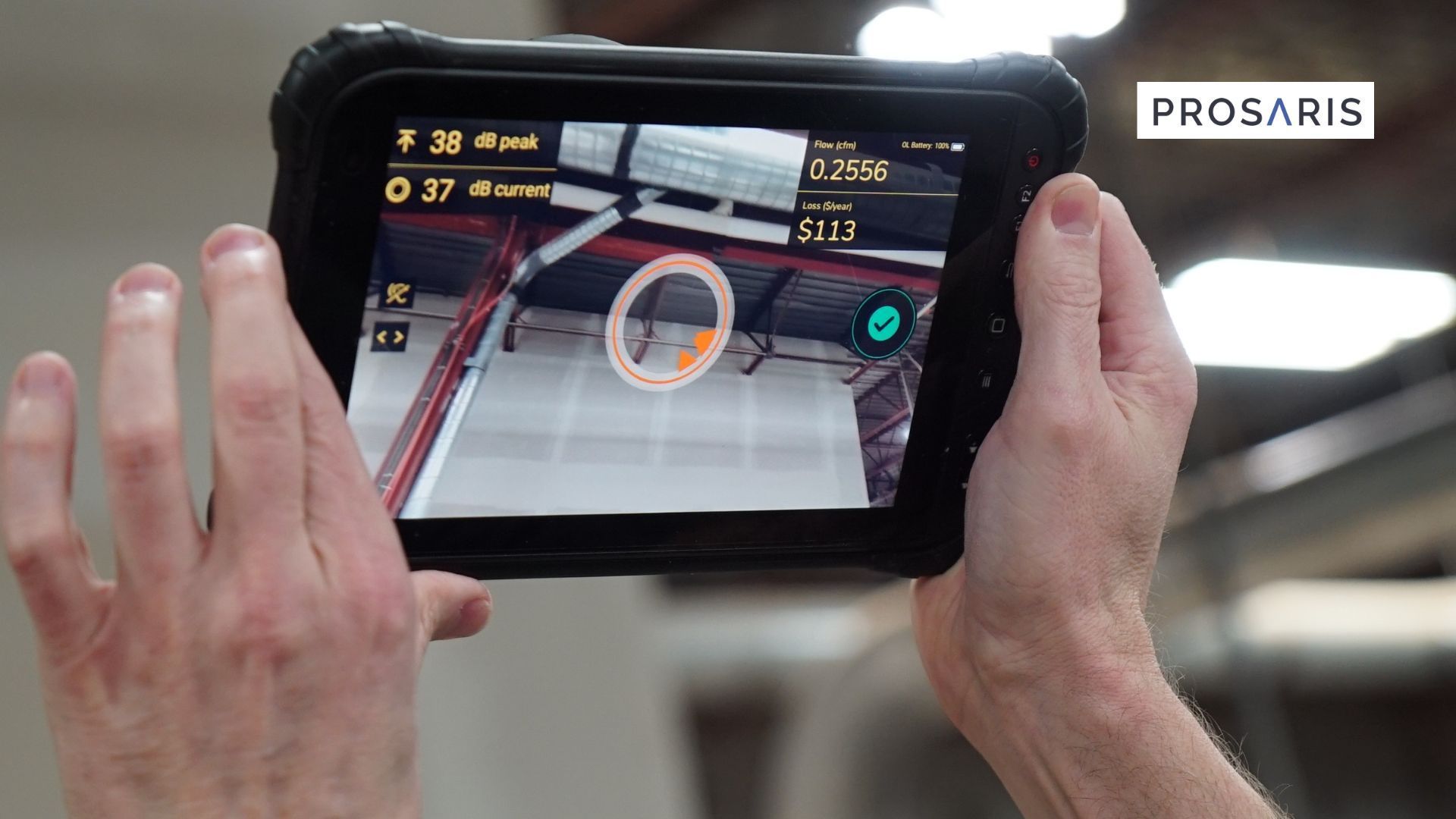
Worker holding an ultrasonic leak detector
February 18, 2026
When businesses review their power usage to find out where money is being wasted, often one of the biggest culprits (and easiest to address) is compressed air leaks.
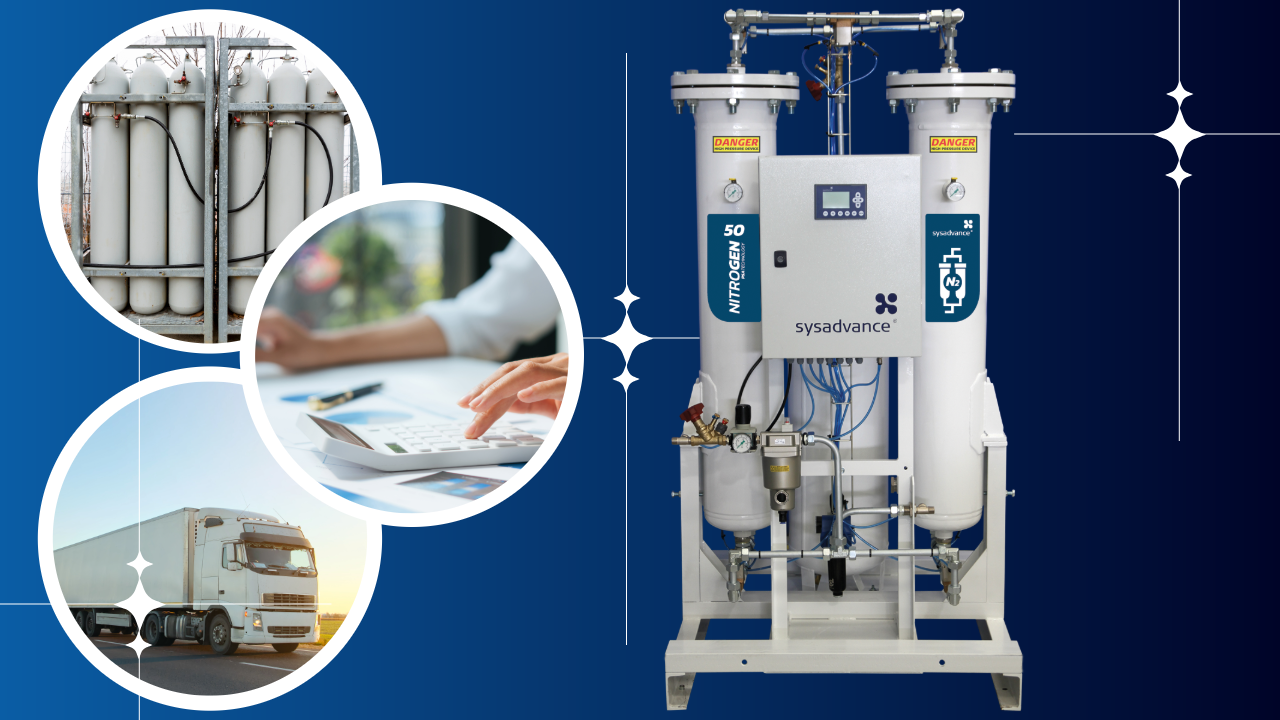
A Sysadvance nitrogen generator
January 20, 2026
Discover how switching to a nitrogen generator allows you to reduce costs, improve reliability, and create a safer, more efficient plant.
Cold water and air to hot water and air
By Tyla Saunders September 24, 2025
When you use an air compressor, a lot of the energy is lost as heat. A heat recovery system allows you to capture this heat and re-use it for water or space heating.
A tablet displaying a Kaeser compressed air system
July 17, 2025
How today’s sophisticated compressed air master controllers require minimal effort for maximum and on-going energy efficiency gains in your compressed air system.
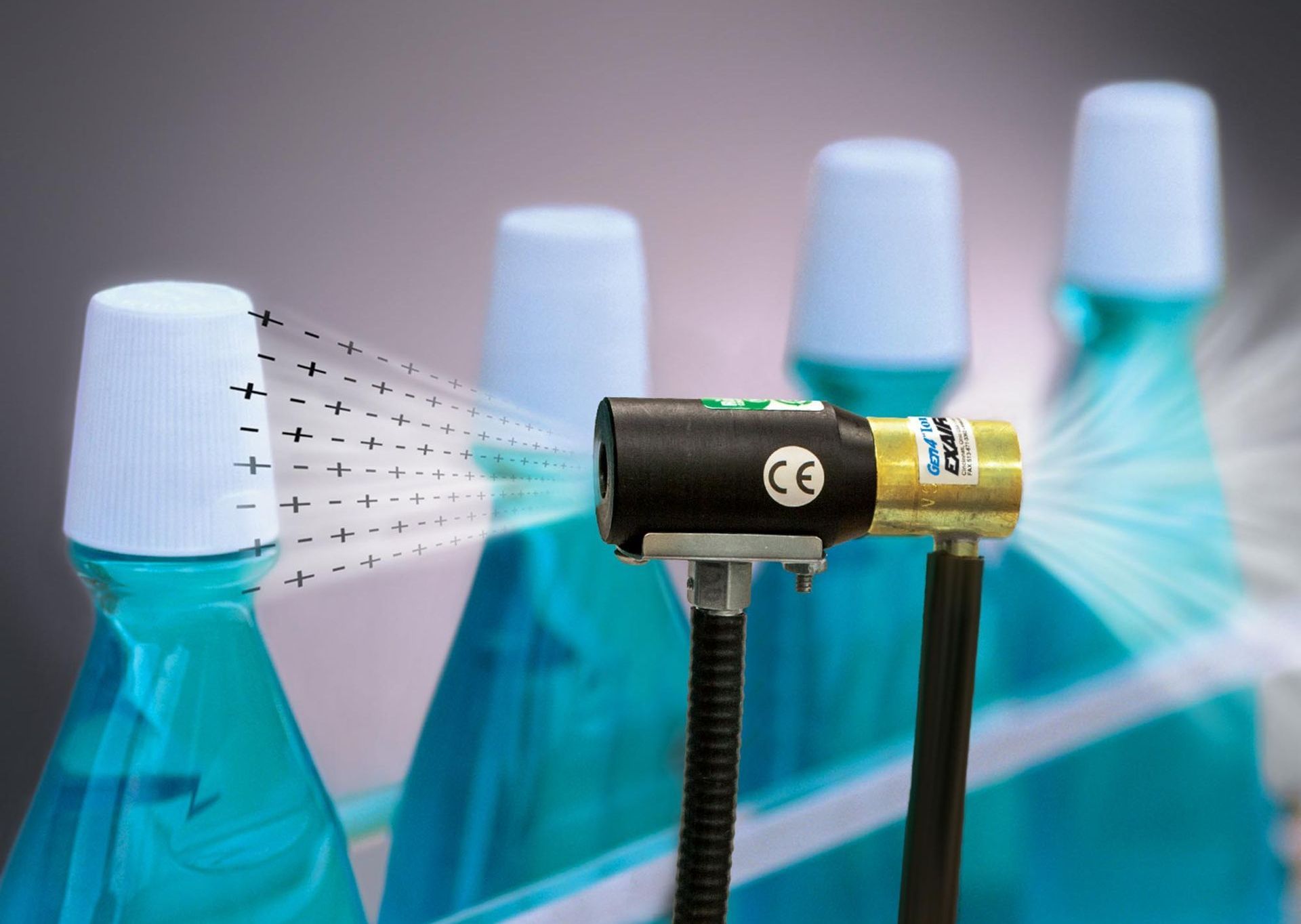
An Exair Static Eliminator removing static from plastic bottles
By Tyla Saunders May 19, 2025
Winter months can create the perfect conditions for static electricity, especially in colder climates. When the air is dry and cold, it becomes harder for electricity to move. This can lead to a buildup of static charge on our bodies and everyday objects.
A Kaeser i.CF10 Aquamat
By Tyla Saunders May 1, 2025
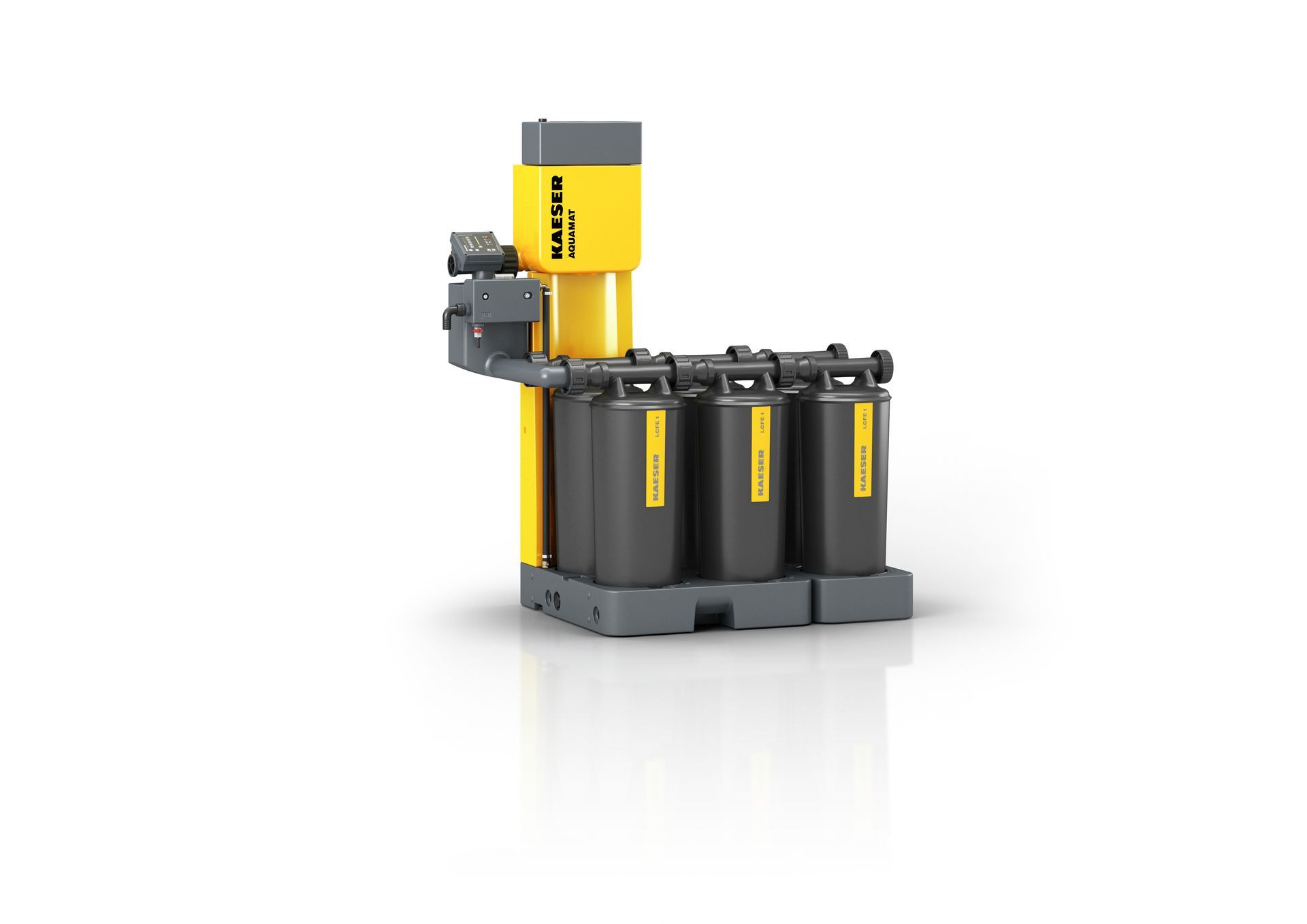
In our modern world, environmental protection has become more than just a corporate buzzword; it's a genuine priority for businesses that want to do their part for a sustainable future. Many of our customers are actively seeking ways to make their production processes as eco-friendly as possible. One small but powerful action you can take is proper condensate treatment . By managing your condensate correctly, you prevent harmful oil and dirt from entering our waterways, helping preserve the environment for future generations. In this blog, we'll explore what condensate is, why its disposal is a concern, and how Kaeser’s innovative i.CF Aquamat system offers a smart, efficient solution. What is condensate? When air is compressed, moisture from the air naturally condenses into water, and that's where condensate comes from. While it might look harmless, condensate typically carries contaminants like oil residues, dirt particles, and sometimes heavy metals. Left untreated, even small amounts can have serious impacts on the environment. Due to the risk of water pollution, strict environmental regulations prevent businesses from releasing untreated condensate into drainage or sewage systems. That means proper management isn't just a good idea, it’s a legal requirement. What does an Aquamat do? Kaeser’s new i.CF Aquamat range makes condensate treatment easy, effective, and smart. These units are equipped with intelligent controllers that continuously monitor condensate levels. When the condensate reaches its maximum limit, the system triggers a short, controlled burst of compressed air, pushing the liquid through special filter cartridges. Here’s what happens next: Purified water exits the system and is safe to pour into standard drainage systems. Oil and contaminants remain trapped inside the filter cartridges, ready for safe, easy disposal with no direct contact with hazardous waste. This hands-free, automated process ensures environmental compliance without disrupting your daily operations. What are the benefits? The i.CF Aquamat range offers multiple advantages, making it a smart investment for any business: Environmental protection: By treating your condensate before release, you actively prevent harmful toxins from polluting waterways. Cost savings: Since you're safely releasing most of your condensate and only disposing of the small amount of captured waste, you can save up to 90% on disposal costs. Maintenance efficiency: The smart controller sends an alert when servicing is needed, helping you avoid unnecessary maintenance costs and downtime. Modular flexibility: Every model in the i.CF Aquamat range uses the same filter cartridges. That means scaling up or adapting your system is simple and cost-effective as your business grows. Why it matters Treating condensate properly isn’t just about compliance, it’s about responsibility. Every step we take to minimise industrial waste contributes to a healthier planet. With solutions like the i.CF Aquamat, businesses can meet environmental obligations, save money, and feel good knowing they’re part of the solution, not the problem. Ready to find out more about how you can treat your condensate safely and sustainably? Get in touch with our team today, we’re here to help you make a difference.
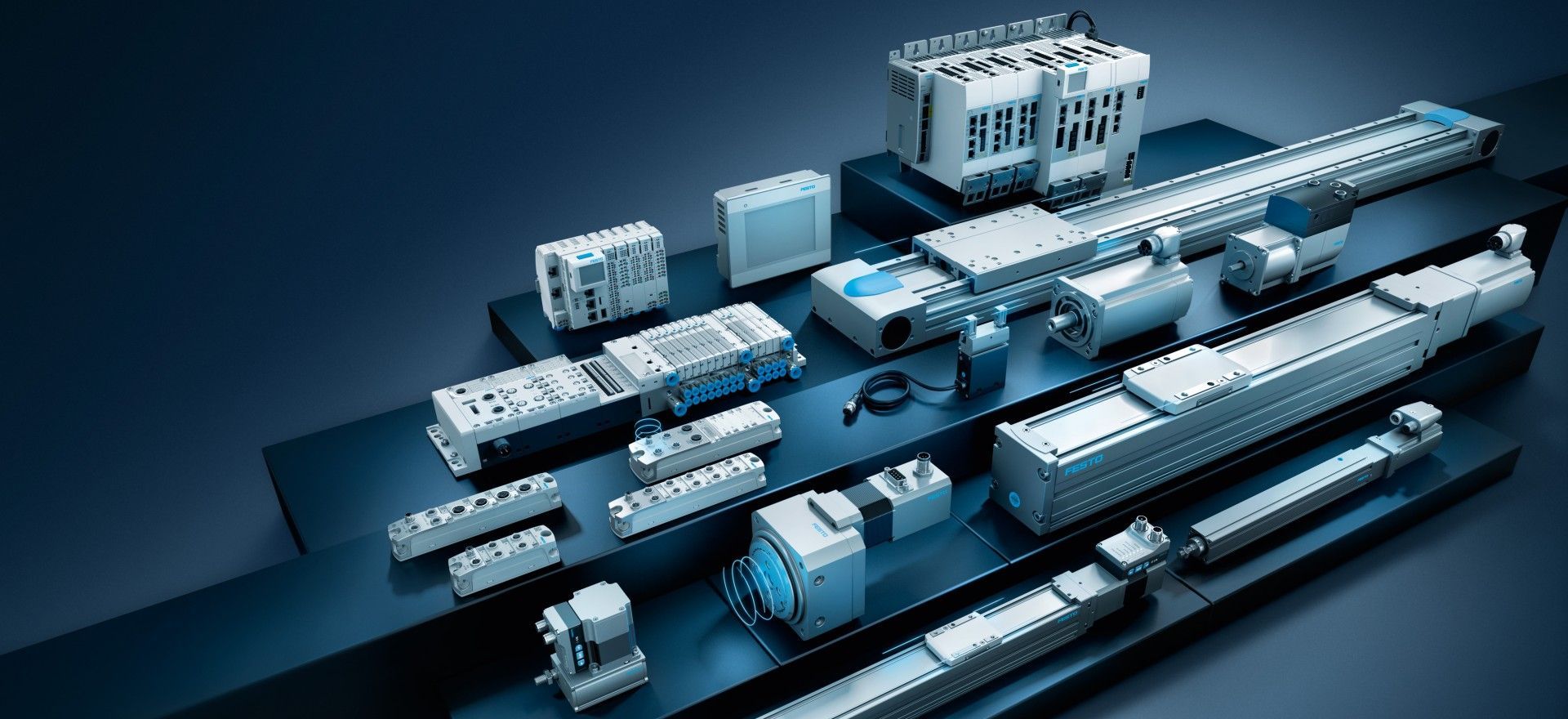
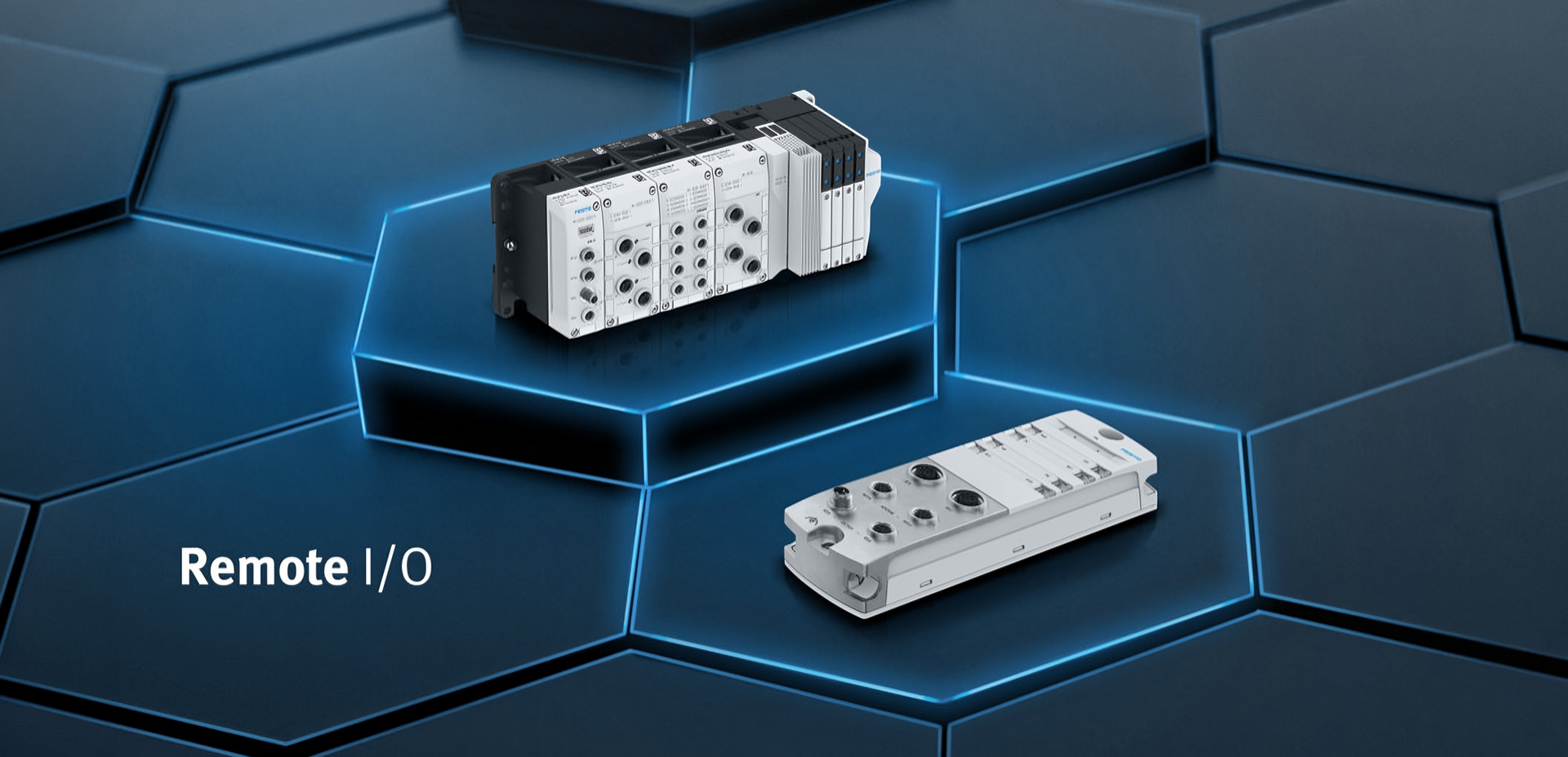
Festo Remote I/O Components
By Christian Hering, Product Management Remote IO and Comm, Festo SE & Co. KG February 19, 2025
Everything you need to know about remote I/O and its importance for industrial automation.
3 Pressure gauges
By Tyla Saunders November 17, 2024
Explore all there is to know about Free Air Delivery. What is it? How is it measured? And why is it important?